
What exactly constitutes a “happy ending” in Whangarei?
In Whangarei’s context, happy endings typically refer to intimate conclusions during massage sessions. These unofficial services operate within grey legal zones, despite New Zealand’s 2003 Prostitution Reform Act decriminalizing sex work. Legally? Brothels must register. Practically? Private arrangements persist along Kamo Road studios and Water Street storefronts. The irony? Most therapists offer legitimate relaxation—you’ll need discreet inquiries for anything beyond deep tissue work.
Where do locals find companionship or adult services?

Three primary channels dominate: mobile apps like Tinder if you’re younger, Backpage NZ remnants whispering through encrypted forums for escorts, and tireless trial-and-error at Town Basin bars. Social Club Whangārei events sometimes spark organic connections. While rainbow-haired TikTokers claim Revolution Espresso Bar baristas make killer flat whites and flirtatious small talk, the Northern Advocate recently documented twelve unlicensed massage operations shut down near Port Road. Statistics New Zealand logged 37 Northland-based registered sex workers last quarter. Meaning? Underground vastly exceeds visible supply.
How do dating dynamics differ in small-town Northland versus Auckland?
It’s the difference between specialty coffee and instant granules. Auckland’s sheer population density permits niche dating—polycules, sugar platforms, vinyl collectors hunting loveless DJs. Whangarei operates leaner. Relationships overlap through rugby clubs, tradies frequenting the same pubs, or exes who dated your cousin twenty clicks south in Waipu. SixSingles surveyed Kiwis revealing 41% of Northland residents found current partners through mutual friends versus 29% nationally. Organic networking dominates algorithmic desperation. Grim reality or cozy familiarity? Depends whether your last Uber date ghosted after splitting a $18 Moustache Milkshake.
Are happy ending massages legal under NZ law?
Not precisely. Registered brothels get passes, but non-consensual acts remain prosecutable. Polarizing views emerge: industry veterans argue regulation minimizes harm. Conservative groups cite Prostitution Law Review Committee reports showing inconsistent policing. Walk past stationary patrol cars near Reyburn House Lane—they’re eyeing license plates more than handjob etiquette. Personal advice? Solicitation risks yellow-sticker notices on Honda Civics and an awkward conversation with your mechanic neighbour Des. Safer to stick with R18 establishments between Ruakākā and Paihia.
What safety protocols exist for adult service seekers?
Assume none beyond public health campaigns and hopeful intuition. The New Zealand Prostitutes Collective suggests condom insistence, cash transactions only, rejecting coerced acts. Some crafty operators hide in plain sight—look for darkened windows charging $20 above standard massage rates near Dent Street warehouses. Police occasionally raid venues under Health Act violations like insufficient sanitation. Charge sheets from 2023 showed fourteen closures statewide for unlicensed “holistic therapy.” Better reconnaissance? Whispers at Otaika markets beat anonymous dark web forums drowning in bitcoin ransom demands.
Why do people pursue non-traditional connections here?
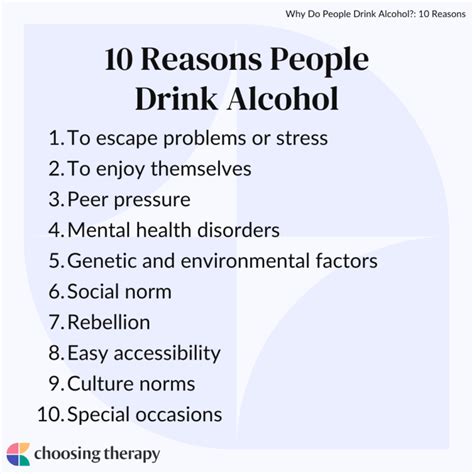
Human nature compressed through Northland’s isolation valve. Younger demographics flee to Auckland or Wellington chasing bustling queer scenes. Those remaining frequently cite pragmatism over passion. Nigel, a 54-year-old divorcee fixing boat engines near Tarewa Road, put it succinctly: “Tinder bios here read like Warehouse job applications—‘must enjoy fishing and tolerate my ex borrowing the kids every Queen’s Birthday weekend.’” Offshore workers on fortnightly rotations often seek transient encounters without attachments. Sad? Maybe. But commitment analogies crumble faster than Hikurangi cliff faces during heavy rains.
How does Whangarei’s culture impact dating expectations?
Expect contradictions. Pacifica and Māori traditions prioritize whānau over Western individualism. Yet spluttering V6 engines roar across Okara Park car meets signaling machismo. Modernity scrapes against conservatism—evangelical church billboards alternate with vape shops along Maunu Road. First dates stumble between performative masculinity (“I hunt pigs weekends”) and emotional vulnerability (“bro, I cried listening to Stan Walker last Matariki”). Don’t presume rural equals simple. These tide-battered coastal communities nurture complex relational webs where everyone knows your ex’s new girlfriend’s stepdad. And that guy fishes with your uncle. So tread carefully.
What alternatives exist beyond transactional encounters?
Volunteer groups focused on marine conservation or surf-lifesaving forge genuine bonds. Weta enthusiasts swarm annual gecko counts near Whangārei Heads avoiding app-induced neurosis. Speed dating occasionally surfaces at Butter Factory Lofts despite last year’s incident involving a misused fondue pot. True story. Hobby groups generate connections where tourism brochures don’t look—the Pataua North pottery class birthed three marriages since 2019. More ethically sound than sneaking into mid-tier motels charging students $60 hourly.
How has digital connectivity reshaped local intimacy?
Digital greyscales everything. Feel Kingfisher Club alchol haze discourages meticulous texting—emoticons blur beside cheaper whiskey shots. Yet profiles scream curated authenticity: men cradling snapper catches, women posing under Tutukākā palms with sunset lens flares. Authenticity contests waste energy better spent surfing Bream Bay breaks. Digital disconnects yawn between generations: kaumātua chuckle at swiping rituals while Gen Z contemplates monastic vows after unmatched Tinder efforts. One University of Auckland study found Northland residents average 18% longer conversations before planning meetups versus urban centers. Silver linings exist between buffering screens.
What future trends might reshape Northland’s dating landscape?

Climate migration could dilute cultural uniqueness as Aucklanders colonize cheaper coastal properties. Growing ethical debates may pressure legislators into stricter adult industry oversight—particularly after recent Christchurch brothel trafficking scandals. Younger demographics increasingly embrace fluid relationship structures, evidenced by growing Pride events from Kaiwaka to Kawakawa Roads. Technological saturation seems inevitable, yet physical geography preserves uneasy truces between tradition and modernity. Here’s betting future romance blossoms amidst rising sea levels and resilient pohutukawa trees. Because love persists wherever tides retreat.